Ancient Sites & Metrology
Latitude, Longitude and Design Between the Great Pyramid & Stonehenge
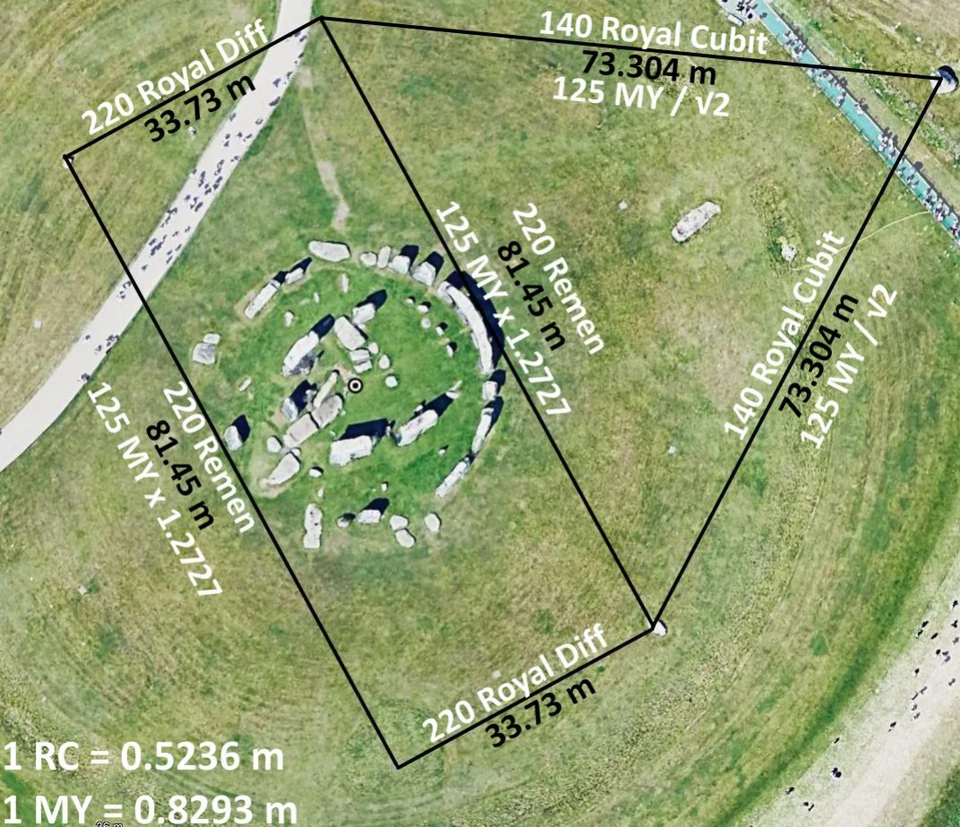
Summarizes the proposed ACST relationships among latitude, longitude, monument design, and solstitial observations at Giza and Stonehenge.
View paperCarl Balowski
Research and essays on ancient sites, measurement, art, theology, and more.
51 articles
Ancient Sites & Metrology
Summarizes the proposed ACST relationships among latitude, longitude, monument design, and solstitial observations at Giza and Stonehenge.
View paperAncient Sites & Metrology
Interprets circle-and-square symbolism as a connection among Heliopolitan creation theology, architecture, mathematics, and moral order.
View paperAncient Sites & Metrology
Investigates geometric constructions relating the meter to the Royal Cubit and yard, while considering uncertainty about historical transmission.
View paperRenaissance History
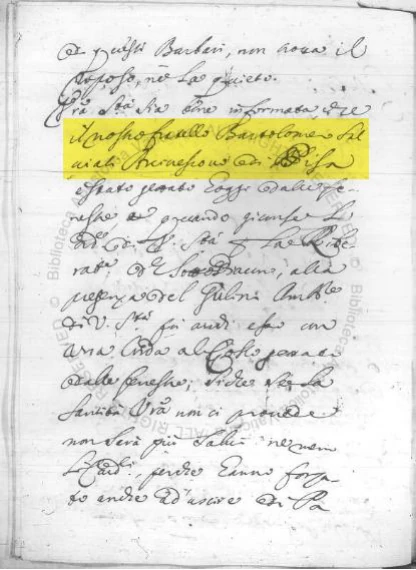
Reexamines the conflicting Francesco and Bartolomeo names for Archbishop Salviati in Florentine and Roman accounts of the Pazzi conspiracy.
View paperRenaissance History
Examines Comacchio’s eel and salt economy in the War of Ferrara and its connections to Italian politics, diplomacy, and provisioning.
View paperAncient Sites & Metrology
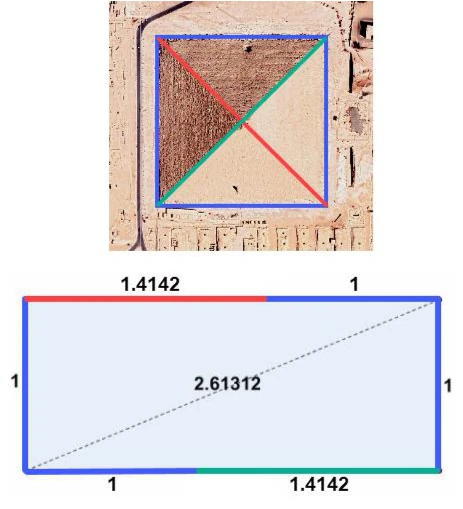
Presents an algebraic analysis of the relationship between the diagonal and perimeter of a silver-ratio rectangle with unit short side.
View paperPhilosophy & Knowledge
Proposes a human–machine framework for accountable knowledge, combining evidence assessment, expert review, and civic governance.
View paperRenaissance Art & Architecture
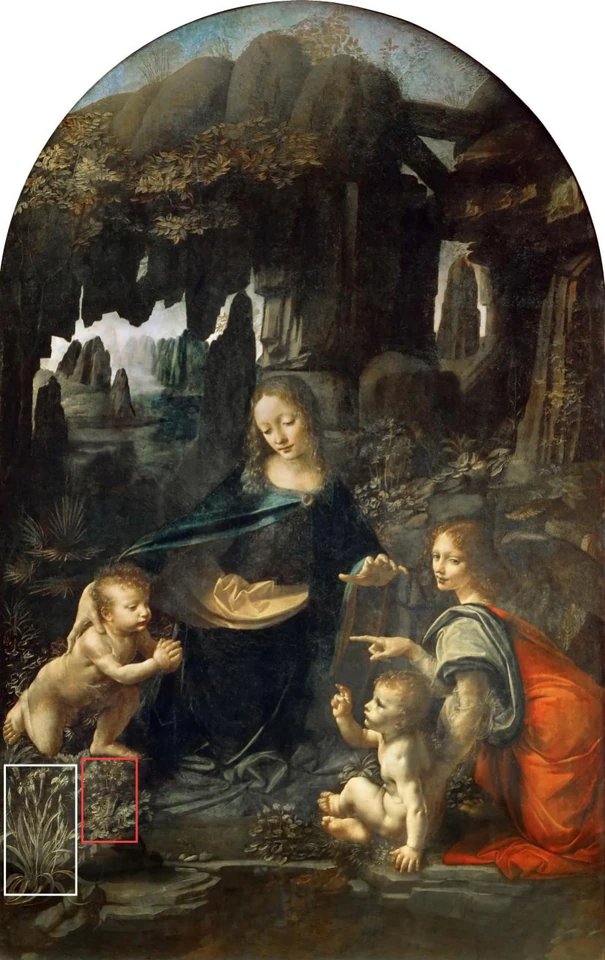
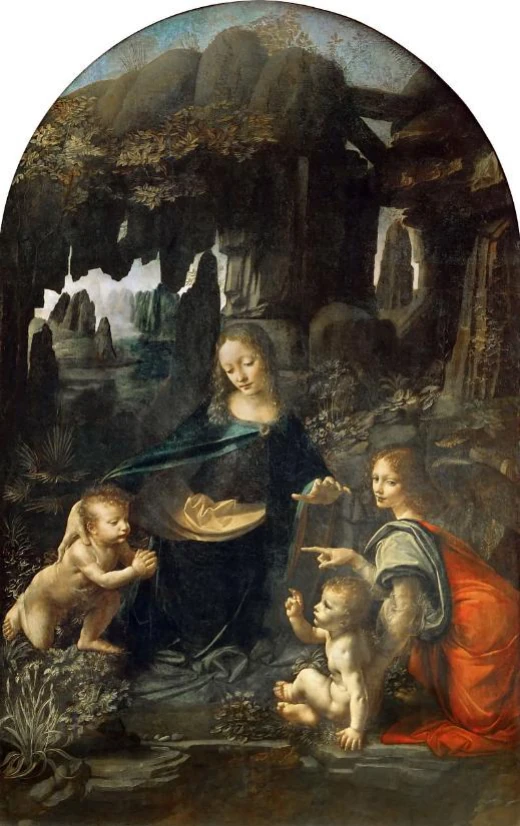
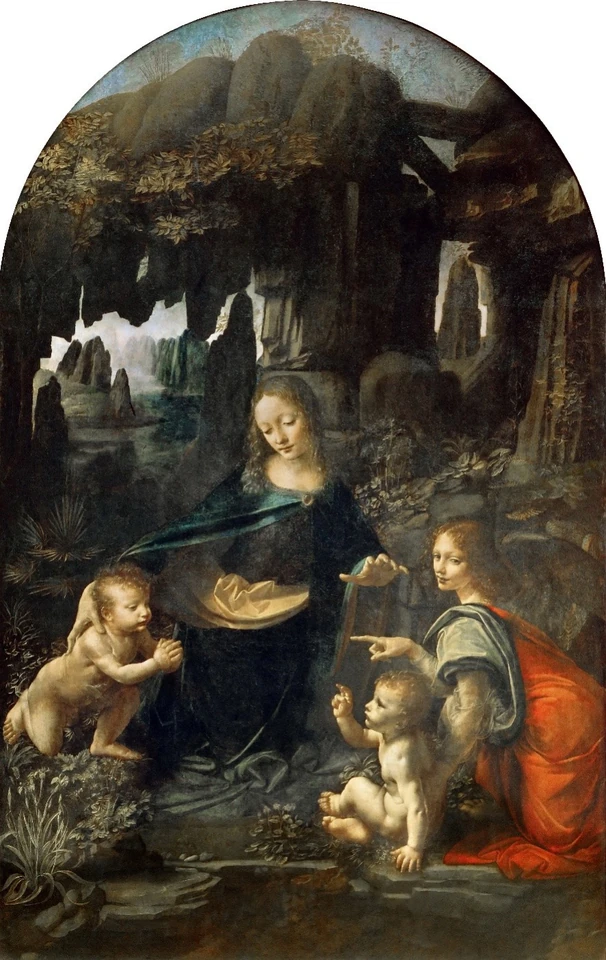
Examines Valeriana graeca as botanical and verbal symbolism within the Florentine political and theological reading of Virgin of the Rocks.
View paperReligion & Theology
Presents analysis and translation of Bandello’s treatise in the context of the Dominican–Franciscan Immaculate Conception controversy.
View paperHealth & Medicine
Reviews vitamin D research and develops the author’s argument about disease prevention, economic effects, and incentives in medical practice.
View paperRenaissance Art & Architecture
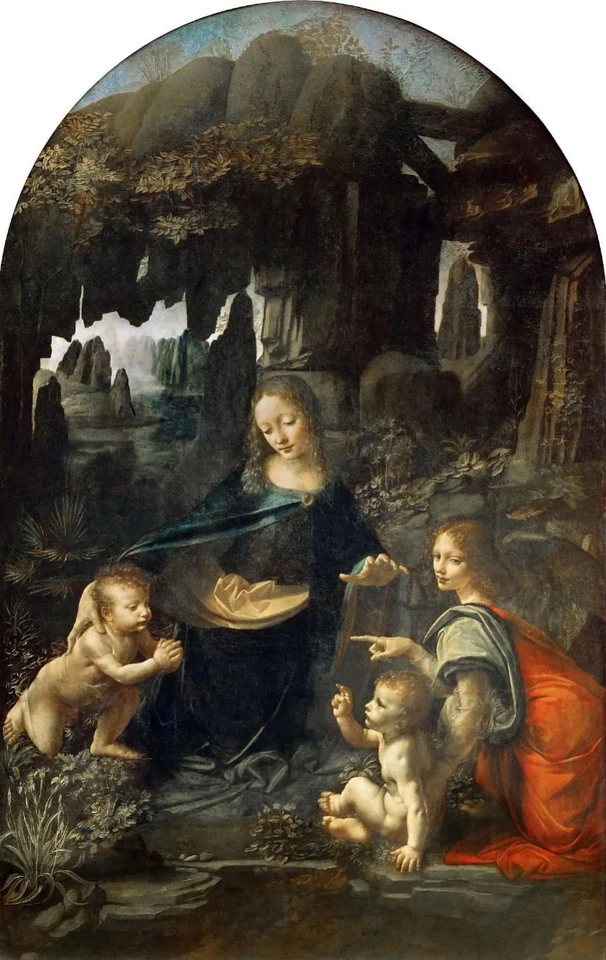
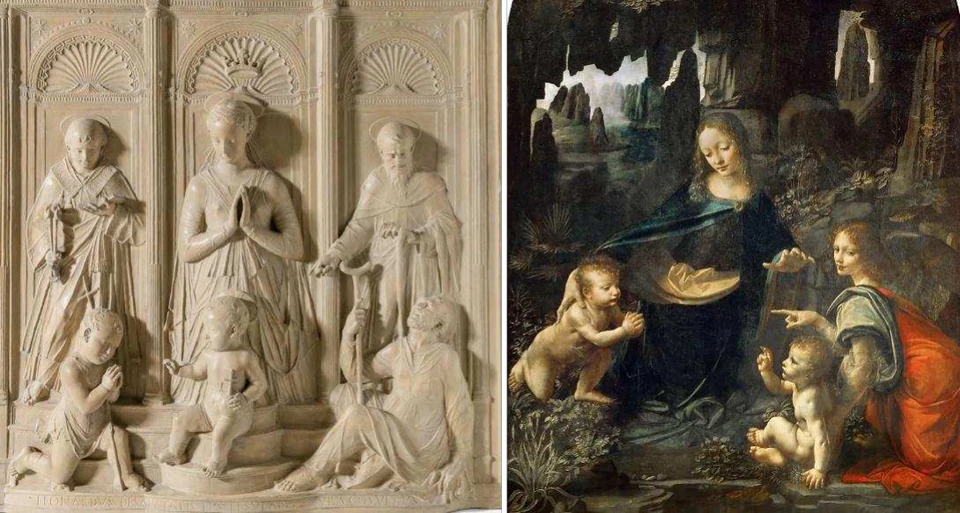
Develops an interpretation of Virgin of the Rocks through narrative convergence, anthropomorphism, and Dominican prenatal sanctification doctrine.
View paperReligion & Theology
Surveys theological disputes and Marian imagery relevant to the Immaculate Conception controversy before Virgin of the Rocks.
View paperRenaissance Art & Architecture
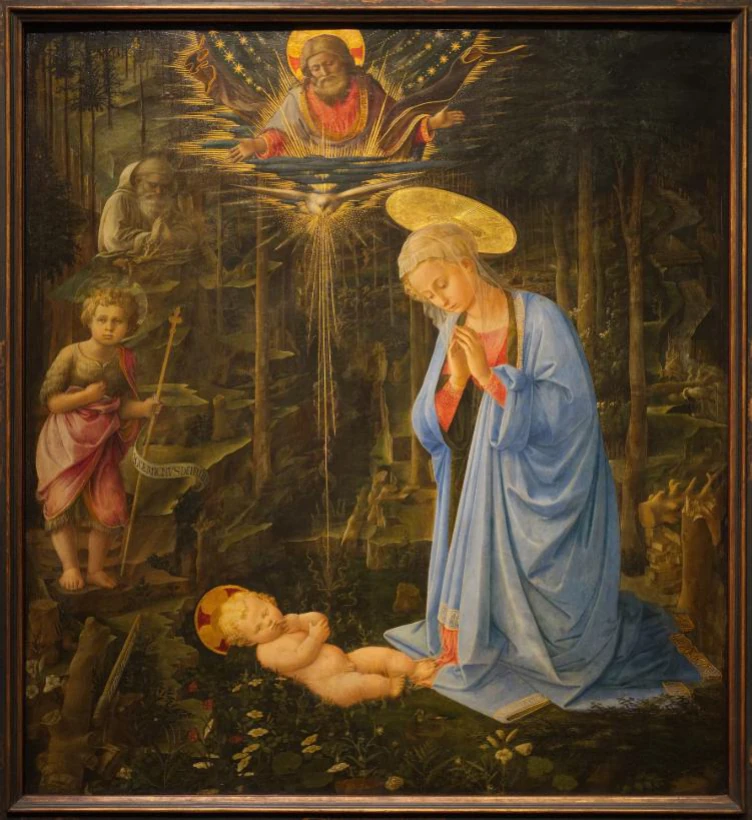
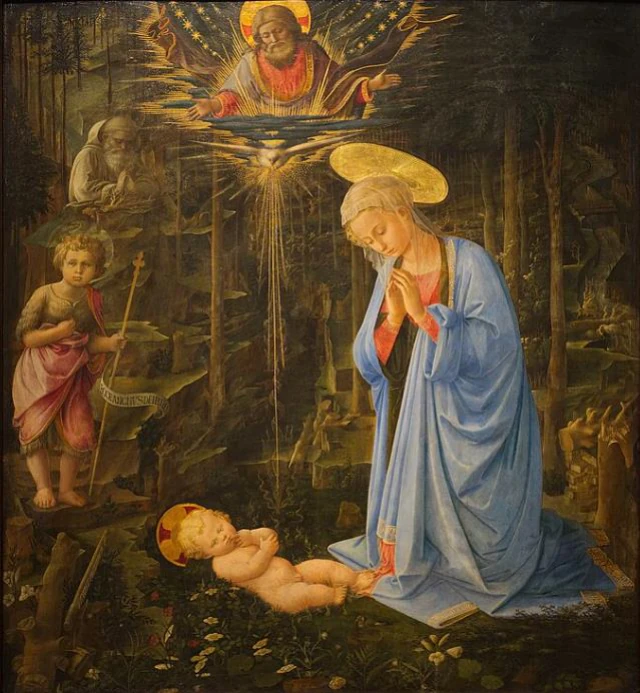
Reads Lippi’s altarpiece as a convergence of Adoration and Baptism narratives and considers its relationship to Leonardo’s imagery.
View paperReligion & Theology
Surveys apocryphal and hagiographical accounts of Jesus and John as potential background for Virgin of the Rocks.
View paperReligion & Theology
Evaluates the dating, authorship, and proposed influence of the Apocalypsis Nova on Leonardo’s Virgin of the Rocks.
View paperRenaissance Art & Architecture
Traces civic and sacred imagery from Fra Angelico and Lippi to the Medici Magi Chapel and Leonardo’s Virgin of the Rocks.
View paperRenaissance Art & Architecture
Examines Medici and Orsini imagery in the dynastic and ecclesiastical setting of Giovanni de’ Medici’s rise to Pope Leo X.
View paperRenaissance Art & Architecture
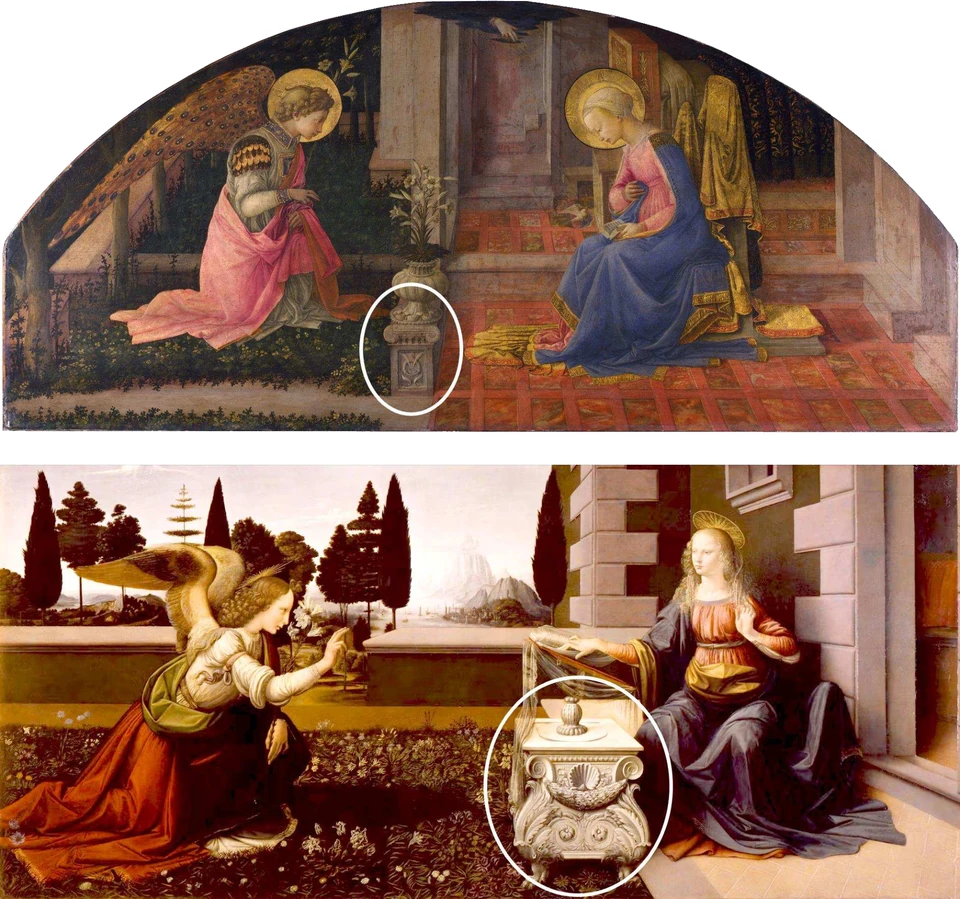
Compares Medici dynastic symbolism and patronage in the Annunciations of Filippo Lippi and Leonardo.
View paperRenaissance Art & Architecture
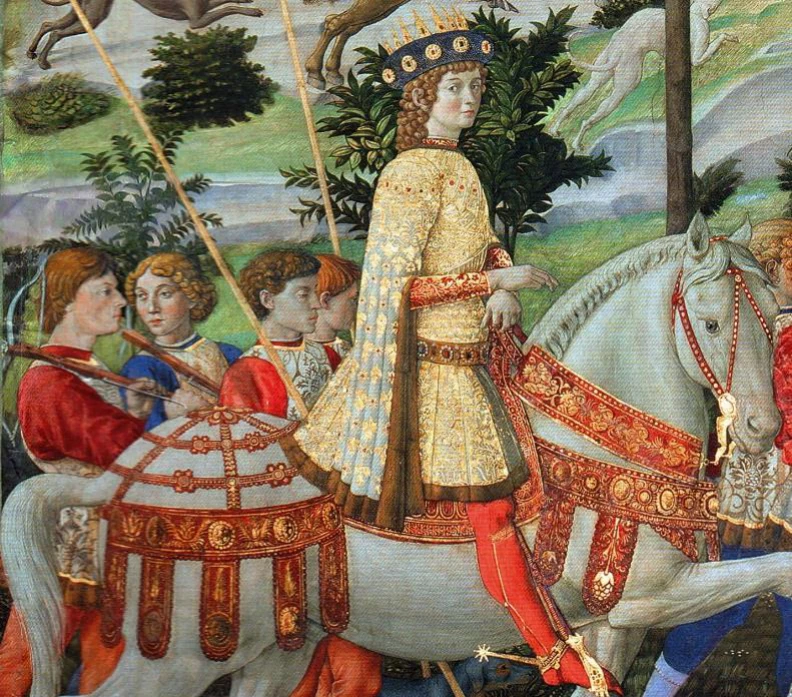
Interprets the Magi Chapel’s frescoes and symbols as an expression of Medici dynastic, civic, and religious identity.
View paperRenaissance History
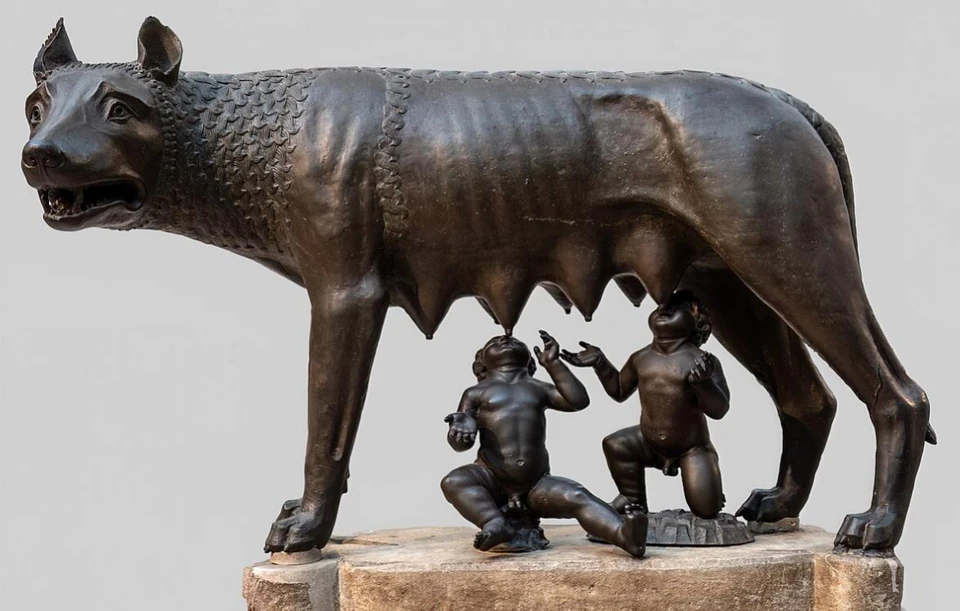
Traces the she-wolf’s civic symbolism from Rome’s foundation myths to its revival under Pope Sixtus IV.
View paperReligion & Theology
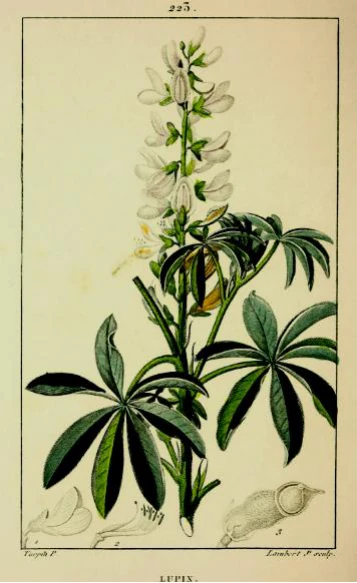
Examines lupino, fava, birthright, and dynastic legitimacy in the Epiphany King of the Bean tradition.
View paperReligion & Theology
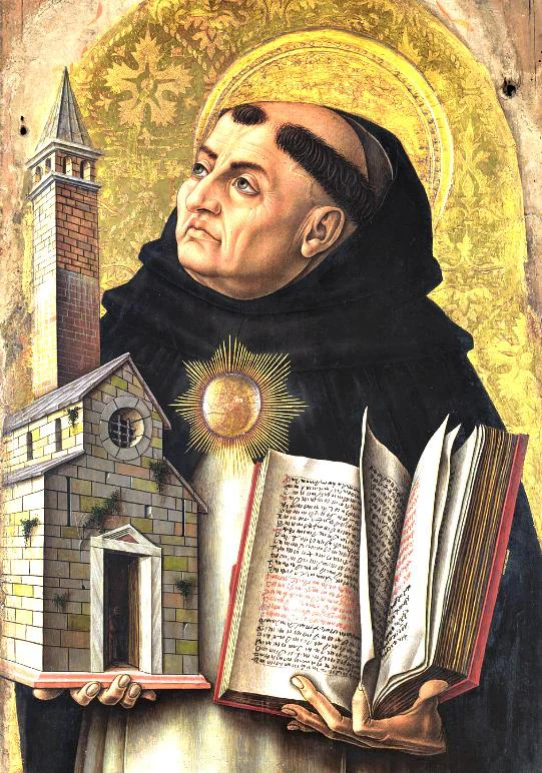
Examines Thomas Aquinas’s liturgical and visual identity through Gideon, Thomas the Apostle, and the Dominican association with St. James.
View paperAncient Sites & Metrology
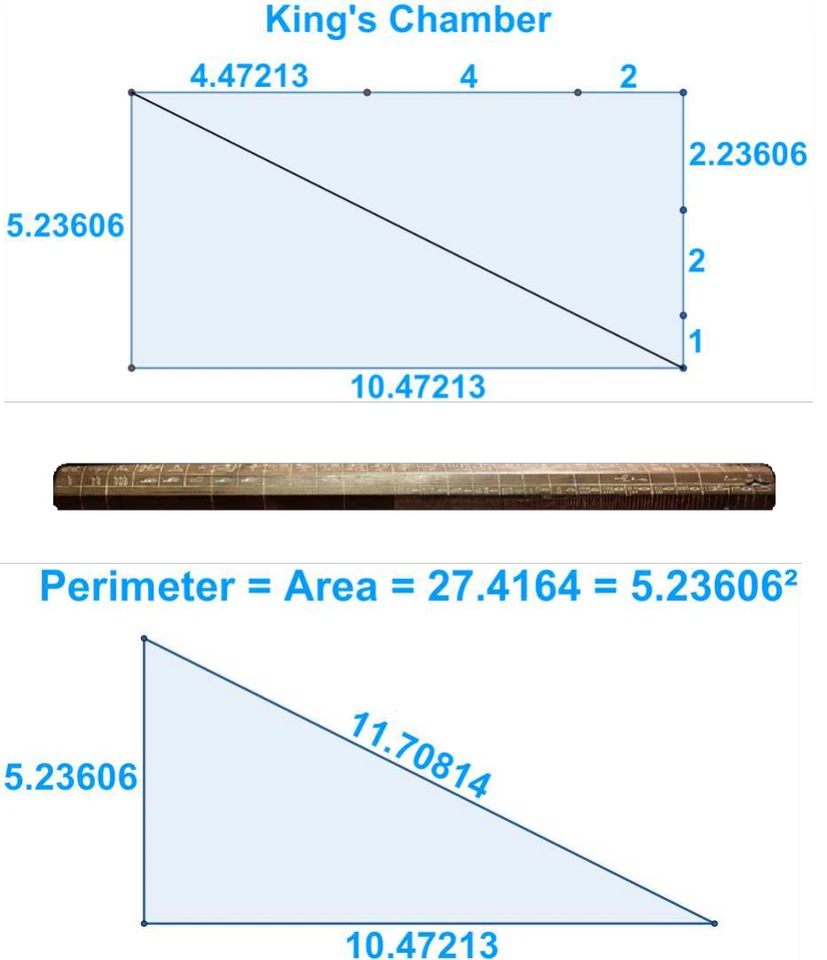
Analyzes a scaled √5 right triangle and a proposed relationship between its geometry and the King’s Chamber dimensions.
View paperAncient Sites & Metrology
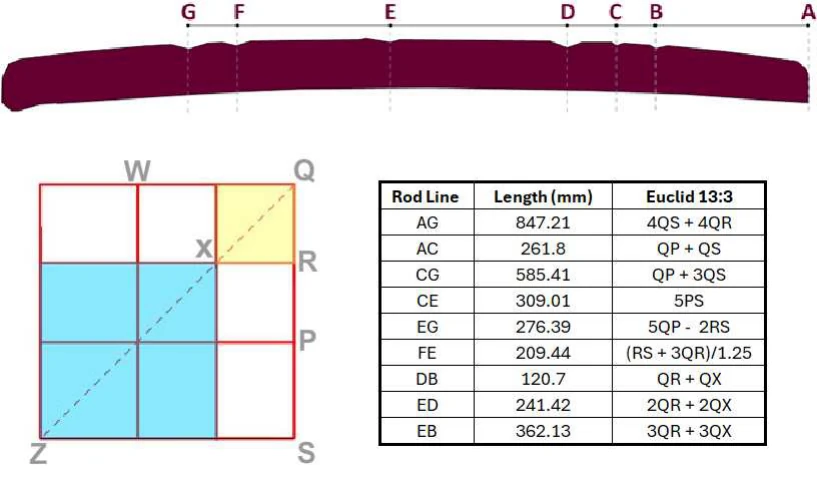
Analyzes the Nippur Rod’s divisions through the Royal Cubit, Euclidean proportions, and the Golden Ratio.
View paperAncient Sites & Metrology
Reexamines Giza Pyramid Mapping Project coordinates for ACST circle-and-square relationships between Khufu and Khafre.
View paperAncient Sites & Metrology
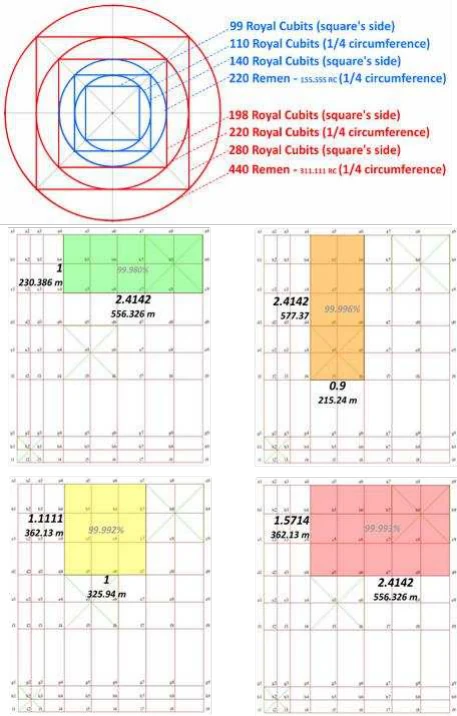
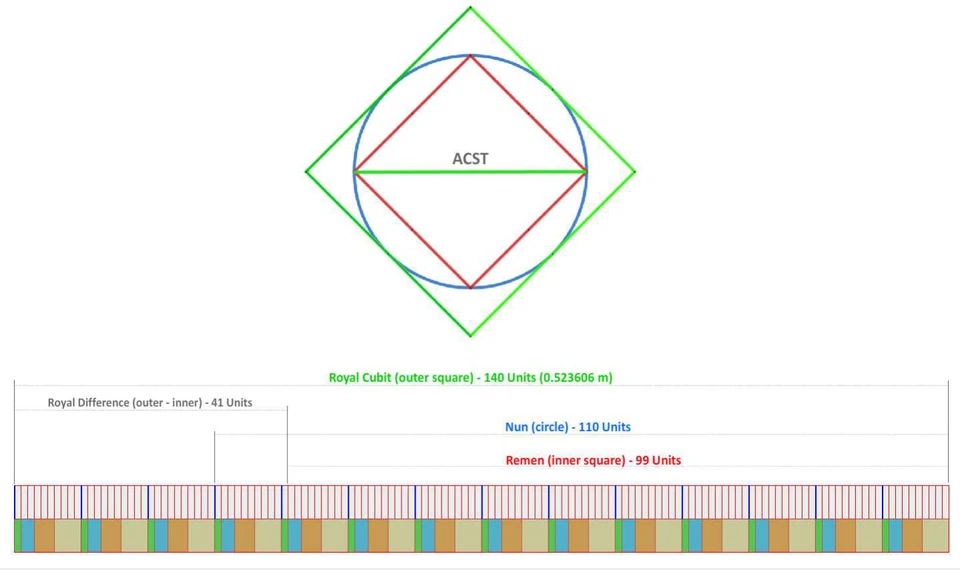
Explores how the Approximated Circle-Square Template relates the Royal Cubit, Remen, and practical approximations of geometric constants.
View paperAncient Sites & Metrology
Presents a hypothesis connecting Earth measurement, the silver ratio, the Royal Cubit, and megalithic units.
View paperReligion & Theology
Uses the Bible and Odyssey to demonstrate how selective interpretation can map familiar narrative structures onto the Great Pyramid.
View paperAncient Sites & Metrology
Develops the ACST interpretation of megalithic design, monument orientation, and astronomical observation at Giza and Stonehenge.
View paperAncient Sites & Metrology
Revises a comparative overview of Great Pyramid and Stonehenge dimensions, including megalithic yards and area measurements.
View paperAncient Sites & Metrology
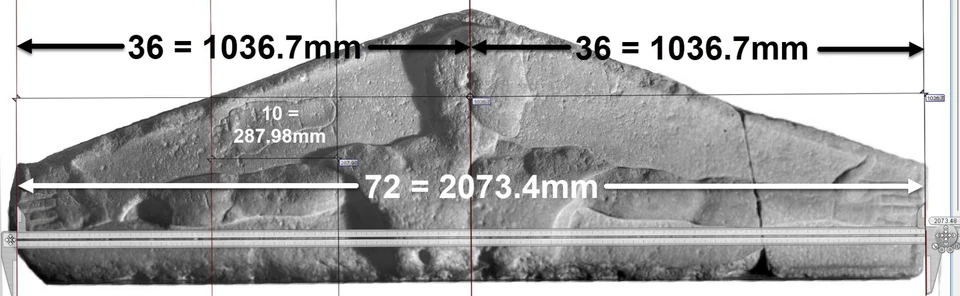
Compares the Ashmolean metrological relief’s measurements with ancient units and the Great Pyramid as a proposed benchmark.
View paperAncient Sites & Metrology
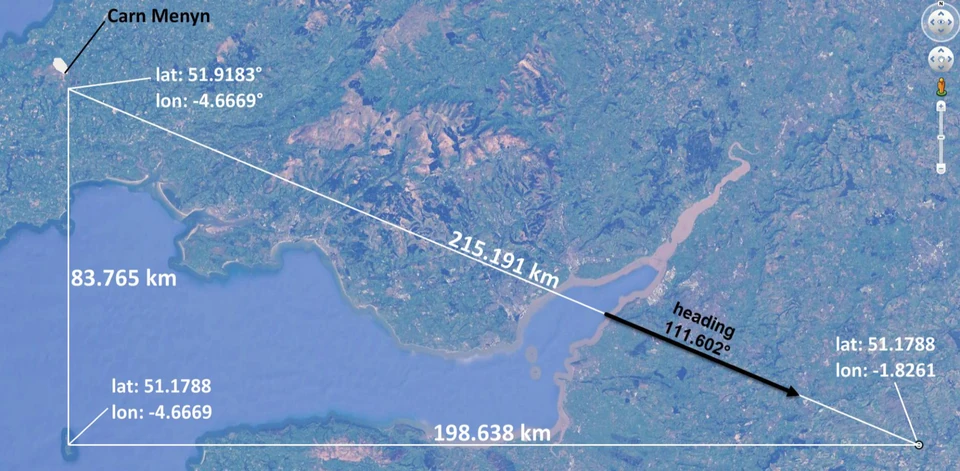
Tests the proposed Stonehenge–Lundy–Preseli lunation triangle against geographical measurements and survey evidence.
View paperAncient Sites & Metrology
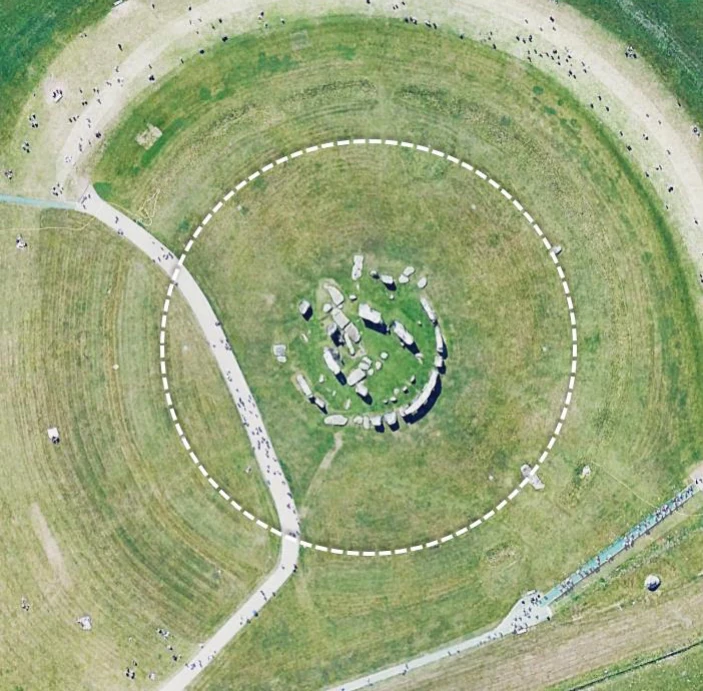
Examines measurement differences and the importance of identifying the survey evidence used in Aubrey Circle interpretations.
View paperAncient Sites & Metrology
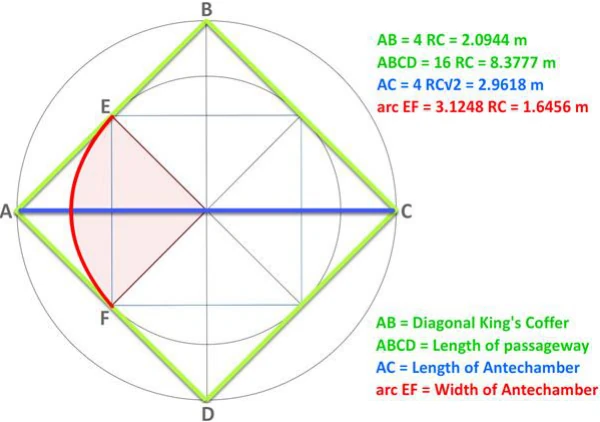
Extends the circle-square template analysis to the King’s Chamber passageway and antechamber as an addendum to Cosmology Part 2.
View paperAncient Sites & Metrology
Studies geometric relationships connecting the Great Pyramid’s exterior with the King’s Chamber, coffer, and internal axes.
View paperAncient Sites & Metrology
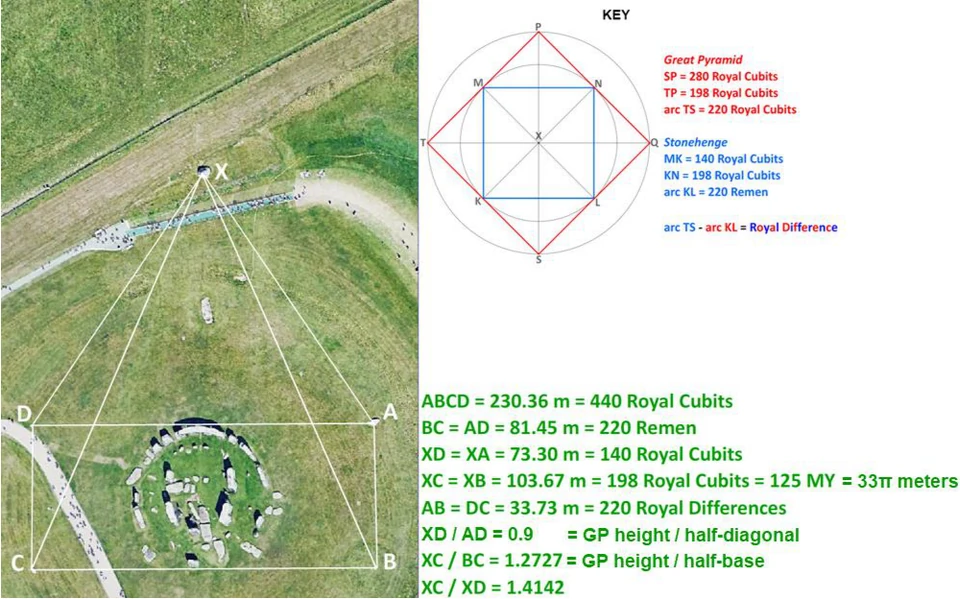
Provides a diagrammatic summary of the proposed circle-square relationship between the Great Pyramid and Stonehenge’s Station Stones.
View paperRenaissance Art & Architecture
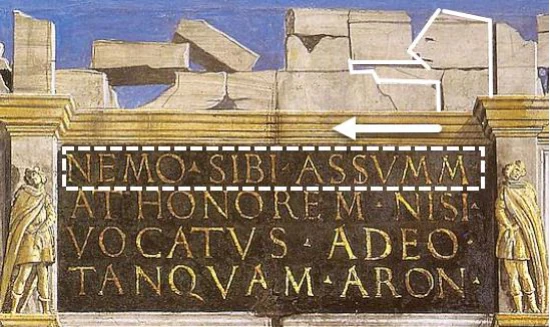
Interprets Hermetic symbolism and the Arch of Constantine in Botticelli’s Sistine Chapel fresco of the punishment of Korah.
View paperAncient Sites & Metrology
Explores practical approximations of √2 and pi in the Great Pyramid’s design and their proposed Egyptian cosmological meanings.
View paperAncient Sites & Metrology
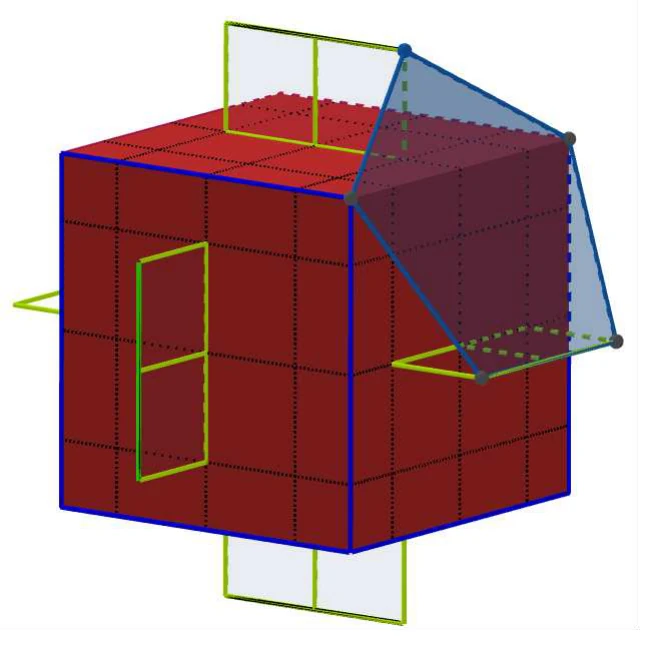
Explores the dodecahedron, Egyptian Duat symbolism, and a proposed connection between ancient cosmology and large-scale measurement.
View paperAncient Sites & Metrology
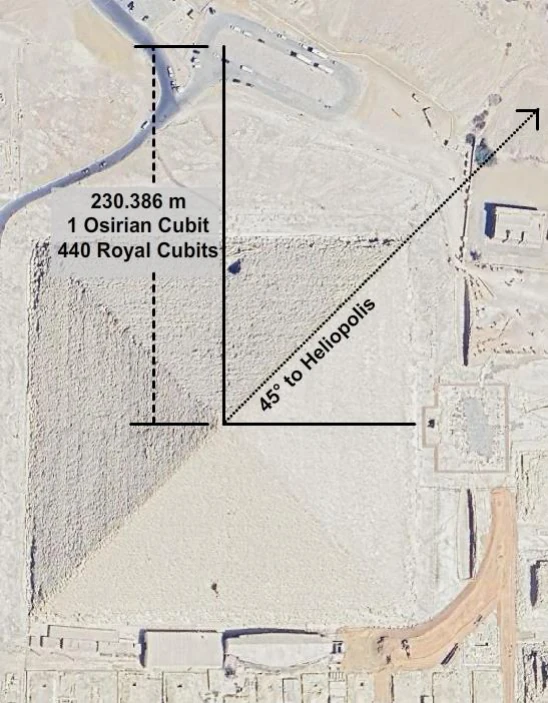
Examines a proposed Osirian calendric unit and a scaled geometrical connection between Khufu’s pyramid and Heliopolis.
View paperAncient Sites & Metrology
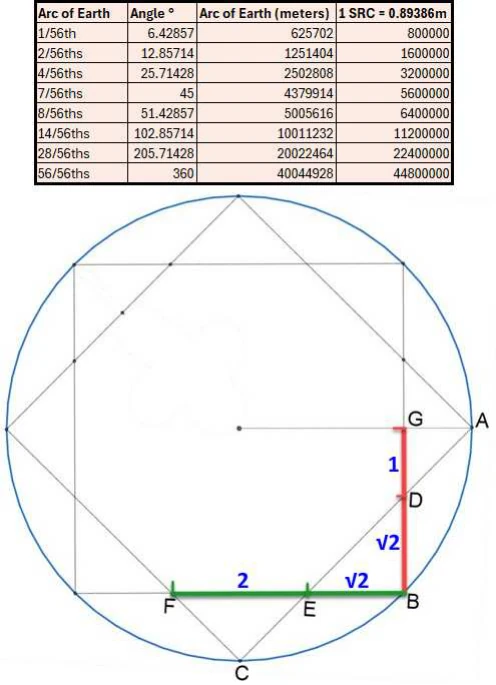
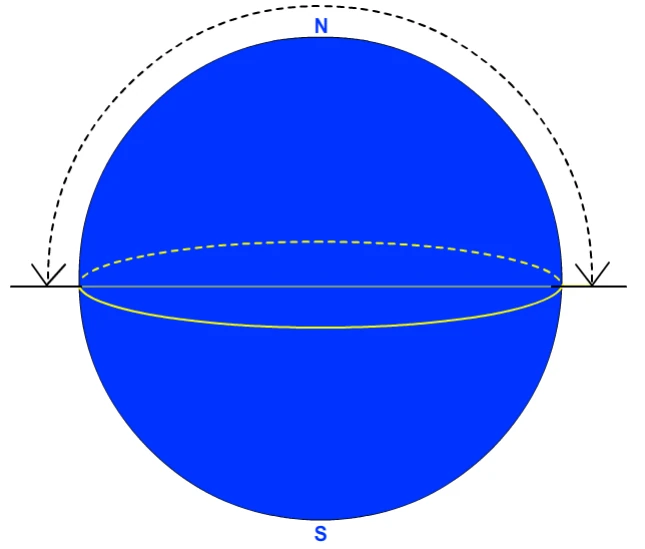
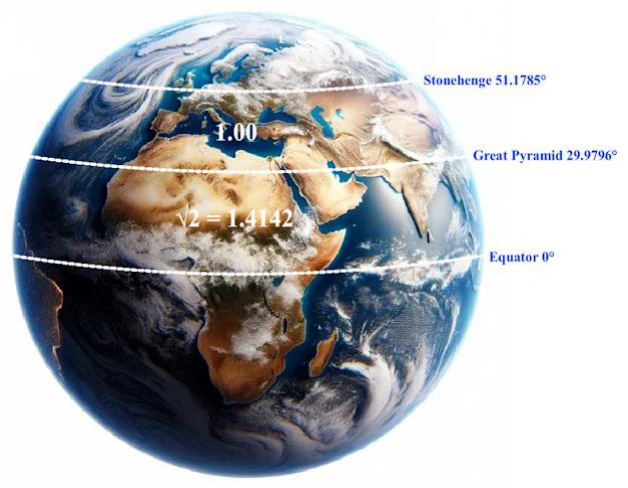
Extends the Giza–Stonehenge latitude hypothesis to Earth’s circumference and the proposed origin of the Megalithic Yard.
View paperAncient Sites & Metrology
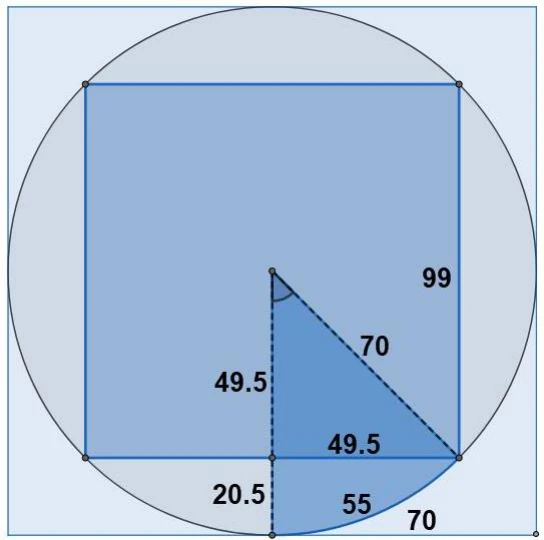
Explores a proposed geometric relationship between the meter and Royal Cubit in the context of large-scale measurement and pi.
View paperAncient Sites & Metrology
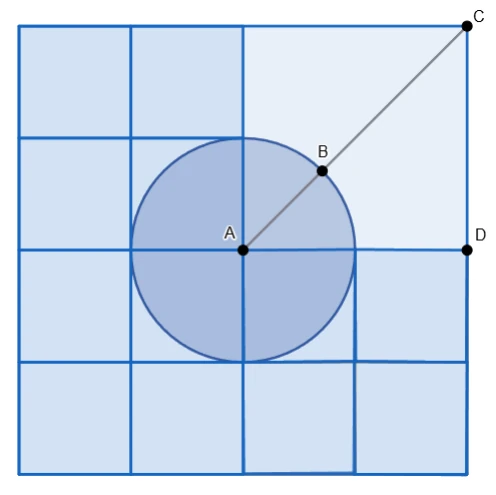
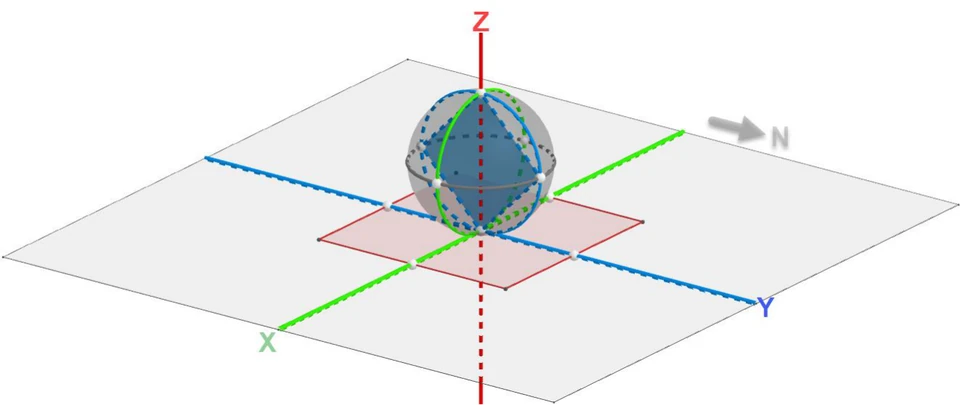
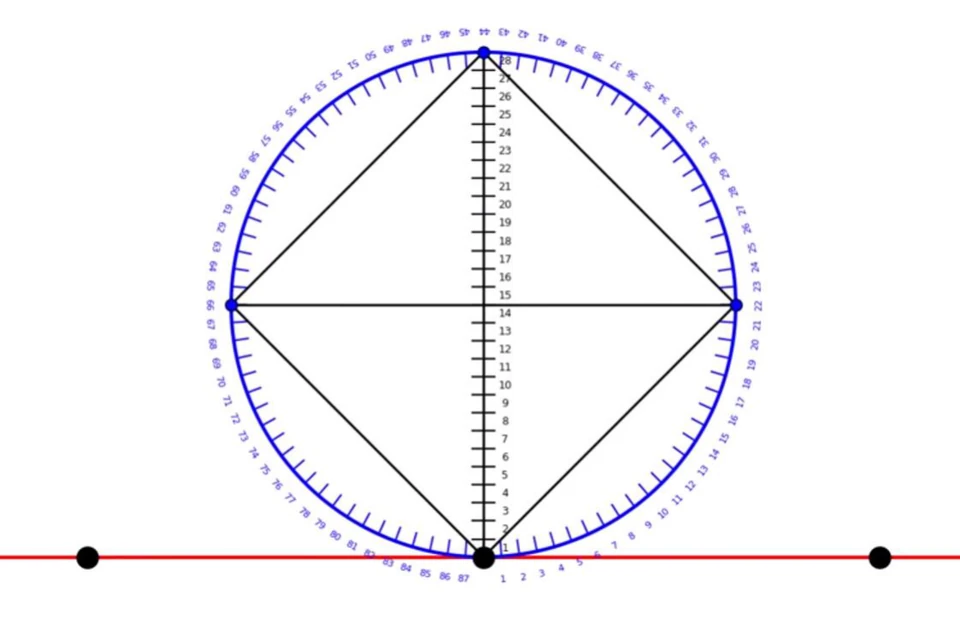
Uses an octahedron diagram to illustrate the square-root relationships associated with Euclid, Book XIII, Proposition 14.
View paperAncient Sites & Metrology
Explores proposed connections among Venus’s cycle, Heliopolitan creation imagery, and the Great Pyramid’s geometry.
View paperRenaissance Art & Architecture
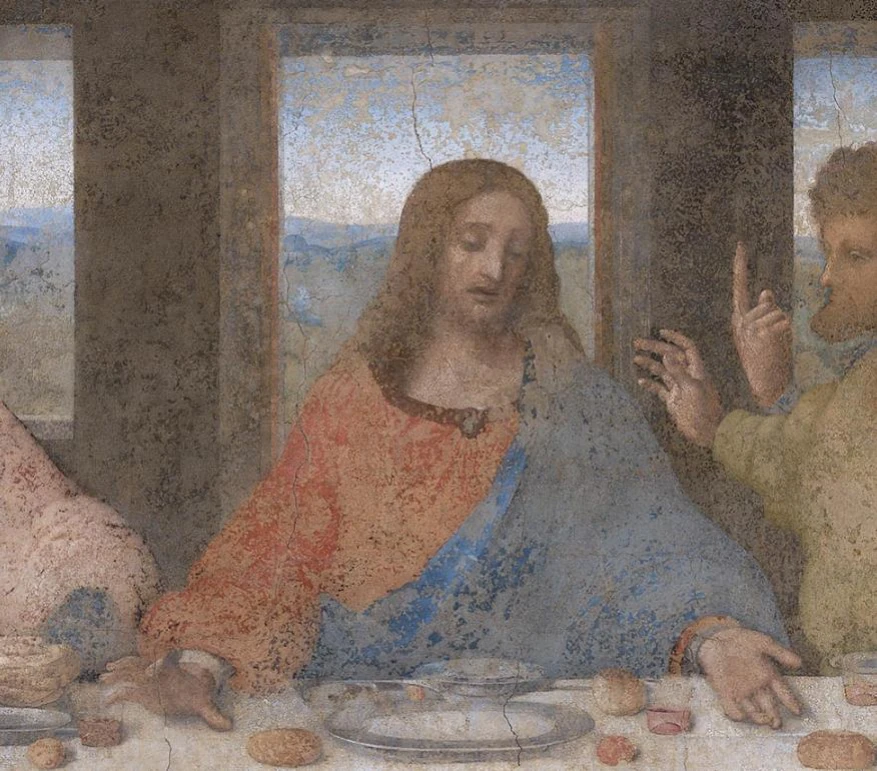
Reassesses the musical-proportion interpretation of The Last Supper and proposes a geometric reading informed by Pacioli’s Divine Proportion.
View paperRenaissance Art & Architecture
Examines Leonardo’s braccio measurement and proposed architectural and patronage connections between Florence and Santa Maria delle Grazie in Milan.
View paperRenaissance Art & Architecture
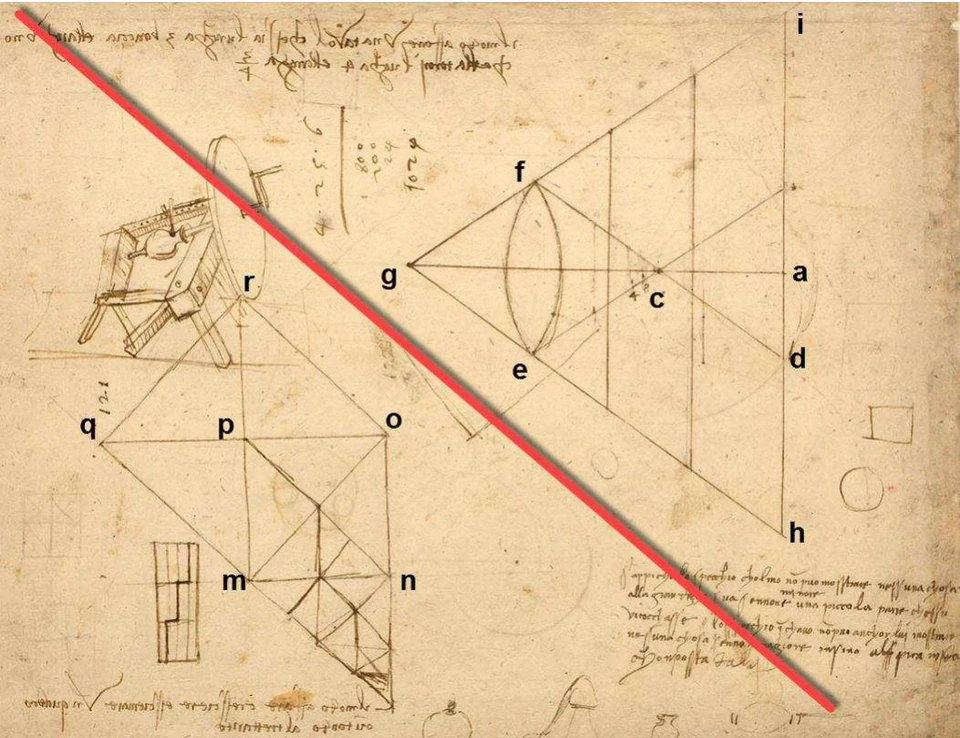
Reconstructs one of Leonardo’s Codex Atlanticus diagrams to examine his use of square diagonals and square-root relationships.
View paperRenaissance Art & Architecture
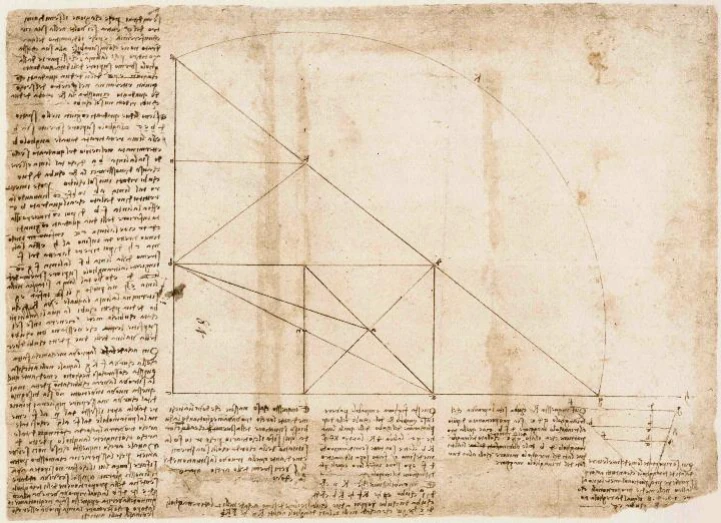
Translates and analyzes Leonardo’s cube-duplication constructions and presents a proposed alternative geometric approximation.
View paperReligion & Theology
Examines Mary as mother, bride, and image of the Church in patristic writings and medieval theology.
View paperAncient Sites & Metrology
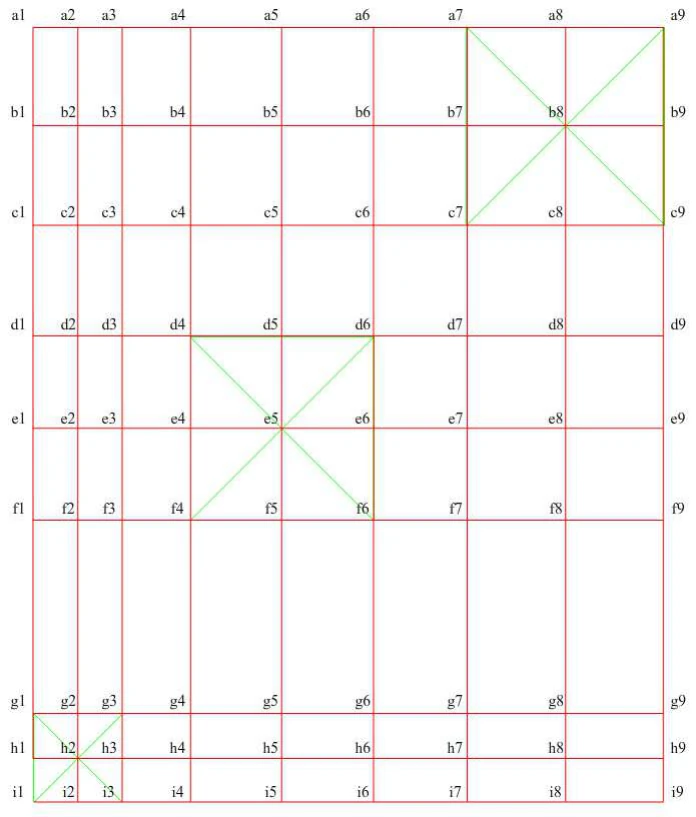
Introduces an 81-point Giza grid for investigating geometric relationships, Heliopolitan cosmology, and solar alignments.
View paperAncient Sites & Metrology
Investigates proposed geometric, metrological, and astronomical connections between Giza and Stonehenge.
View paperTry a different search or clear the filters.